
JOURNEY THROUGH THE PENTATEUCH – PERSONAL REFLECTION
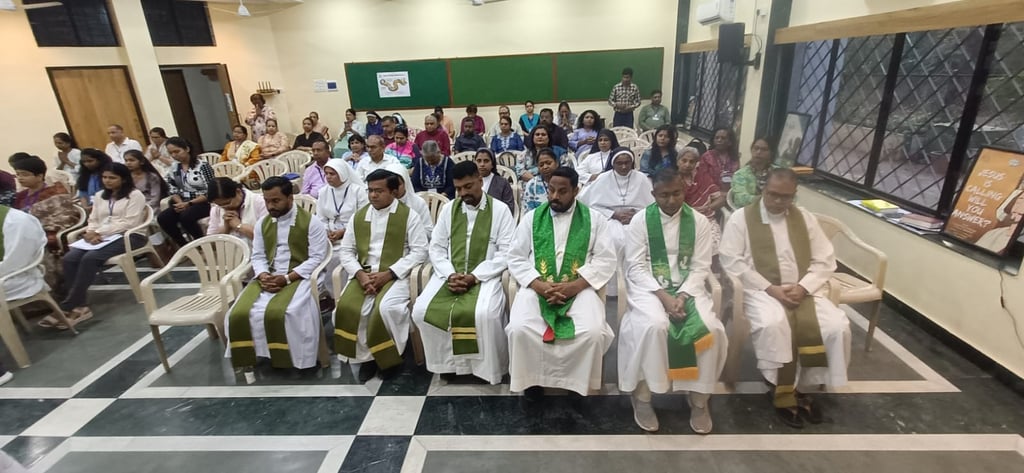
Participating in the Journey through the Pentateuch, Western Region Bible Seminar, 6–8 February 2026 was a deeply prayerful and transformative experience for me. As I journeyed from Creation to the Promised Land, I found myself reflecting honestly on my own life and my relationship with God.
2/8/20264 min read
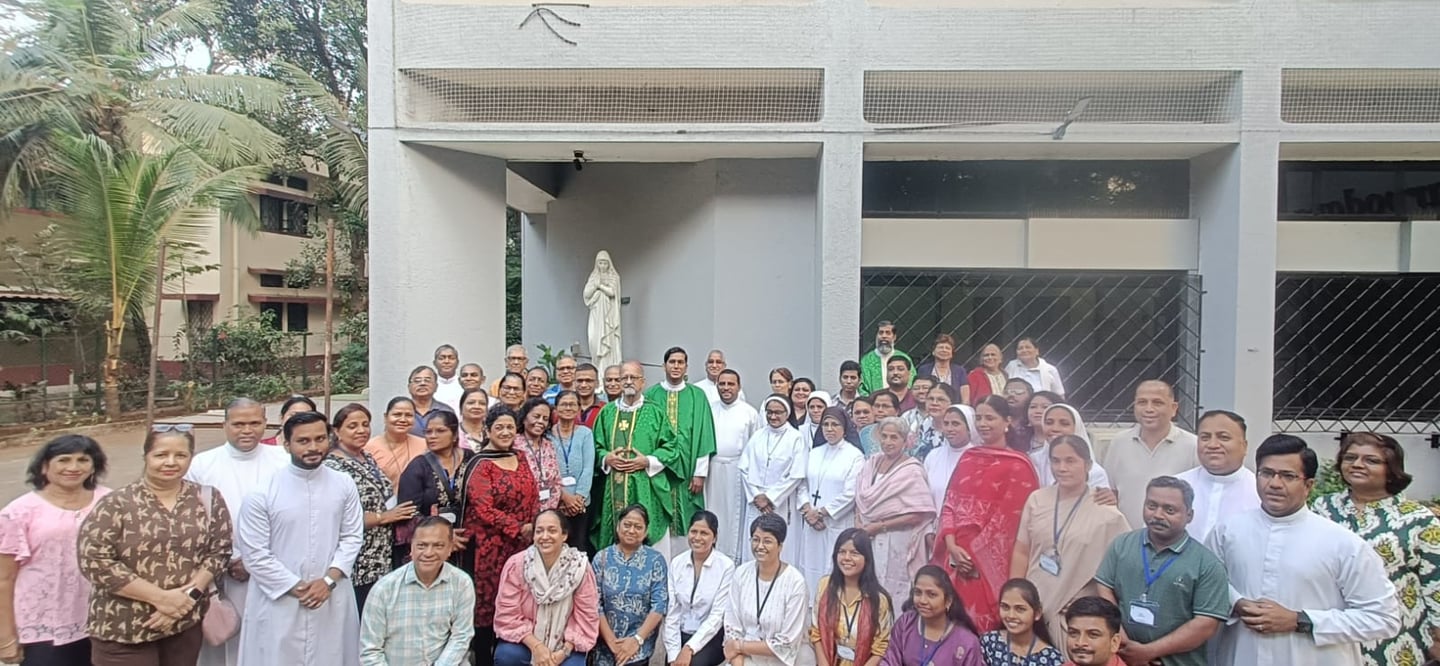
Participating in the Journey through the Pentateuch, Western Region Bible Seminar, 6–8 February 2026 was a deeply prayerful and transformative experience for me. As I journeyed from Creation to the Promised Land, I found myself reflecting honestly on my own life and my relationship with God. From the very beginning, God’s unconditional love for humanity became clear to me—how He promised eternal life from the time of Adam and Eve in the Old Testament, and how that same promise is fulfilled in the New Testament when Jesus assures paradise to the repentant thief on the cross. Again and again, the human heart moves away from God, yet God never abandons us. He remains faithful even when I am unfaithful. This realization touched me deeply and reminded me that my heart must remain united with the heart of my Creator.
The life of Abraham spoke powerfully to my own faith journey. Abraham’s life is a story of faith and covenant, tested to the extreme when God asked him to sacrifice his beloved son Isaac. Though I have read this passage many times, during this seminar I experienced it anew. An inner voice stirred within me, reminding me that power, authority, name, and recognition mean nothing in the eyes of God, though they matter greatly in the world. What God desires from me is total surrender. As a follower of Jesus, I am called to let go of self-love, pride, and control, and to walk humbly before Him. I realized how often I pray and surrender my problems to God, yet soon after, I carry those same burdens in my mind and seek human consolation, hoping others will solve my problems. Instead of peace, this often brings more confusion. Abraham’s example taught me that true faith is complete surrender. Only when I truly let go can God, the Divine Healer, touch and heal my deepest spiritual wounds. When I detach myself and trust fully, God’s generosity finds space to act in my life.
The stories of Jacob, Joseph, and Moses further illuminated my own struggles and experiences. Jacob’s transformation through grace gave me hope—that God alone can turn mess into message. I realized that when misunderstandings arise in community life, confrontation does not always bring healing; often it deepens wounds. It is only by God’s grace that I continue to persevere in religious life. Joseph’s journey from the pit to the palace taught me that pain and humiliation are not signs of abandonment but paths through which God’s providence is revealed. My own painful experiences and moments of humiliation have tested my faith, yet they have also shaped me. In Moses’ story, I saw my own broken past reflected. Though I often say I have forgiven those who hurt me, I recognize that the scars still remain in my heart. At times, obedience feels difficult, especially when things do not go according to my plans. I question God, demand answers, and when He seems silent, I run after people—only to realize that no one can truly heal me except God. In the end, it is always His grace that sustains me.
Listening to the sessions on Sinai, the Law, holiness, and the desert journey brought everything together in a deeply personal way. I was struck by the image of purification—how God, through Baptism, purified me, accepted me into His family, and invited me into an intimate covenant relationship with Him. The call to holiness, especially through the Book of Leviticus, challenged me to live authentically, not by performing holiness but by building genuine, loving relationships. As I reflected on Israel’s journey through the desert and Moses’ final call in Deuteronomy to remember and commit, I recognized God’s constant protection in my own life. He rescued me when I could not rescue myself, lifted me when I could not stand, and gave me hope when I felt lost. After listening to these sessions, I feel more deeply convinced that obedience rooted in love leads to life. My covenant with God must be faithful and alive, grounded in His love. When I am rooted in that love, I begin to seek God in all things—and I experience Him not as a distant God, but as the living God who walks with me every step of my journey.
Finally, as I look back on the entire journey through the Pentateuch—from Creation, covenant, and promise, through the lives of Abraham, Isaac, Jacob, Joseph, and Moses, to Sinai, the Law, holiness, and the long desert journey toward the Promised Land—I recognize my own life mirrored in this sacred story. I see myself in Adam and Eve who often turn away, in Abraham who is called to trust completely, in Jacob who is transformed by grace, in Joseph who suffers yet is guided by God’s providence, and in Moses who carries wounds yet becomes an instrument of deliverance. Through the Law and the call to holiness, I am reminded that I belong to God through Baptism, invited into an intimate covenant relationship, and called not to perform holiness but to live it through love and obedience. The desert journey taught me that even in dryness, confusion, and delay, God remains faithful and protective. After listening to these sessions, I feel more deeply aware that my life is a journey of surrender—learning to let go of control, to stop relying on human solutions, and to trust the living God who alone can heal, guide, and fulfill His promises in me. This seminar has strengthened my desire to renew my covenant with God daily, to seek Him in all things, and to walk forward with faith, humility, and hope, knowing that He never abandons me.
Get in touch
Address
Auxilium Center, Post Box 19877, 84 , St.Andrew Road Bandra, Mumbai-4000 050